


10 Benefits of Using a Dog Harness Every Pet Parent Should Know
Aaditya kushwahaWalking your dog should be safe, comfortable, and enjoyable for both of you. While collars have been a popular choice for years, many pet parents are now choosing dog harnesses for everyday walks and training sessions. Unlike collars that place pressure on a dog's neck, harnesses distribute force across the chest and shoulders, helping improve comfort and control.
A well-fitted harness can be especially beneficial for puppies, small breeds, energetic dogs, and dogs that tend to pull on the leash. From reducing strain on the neck to making walks safer and more manageable, harnesses offer several advantages that can improve your dog's overall walking experience.
In this guide, we'll explore the top benefits of using a dog harness, compare harnesses and collars, and help you decide whether a harness is the right choice for your furry companion.
What Is a Dog Harness?
A dog harness is a piece of walking gear that fits around a dog's chest and body instead of only around the neck. The leash attaches to the harness, allowing pressure to be distributed more evenly across the dog's torso. This design helps provide better control while reducing stress on sensitive areas such as the neck and throat.
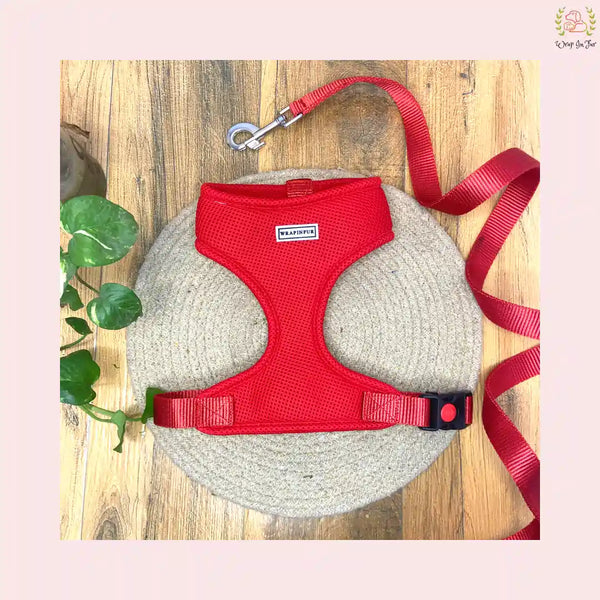
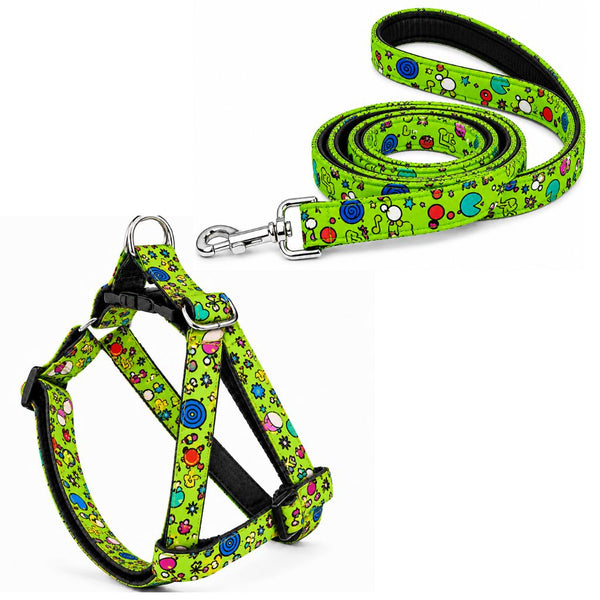
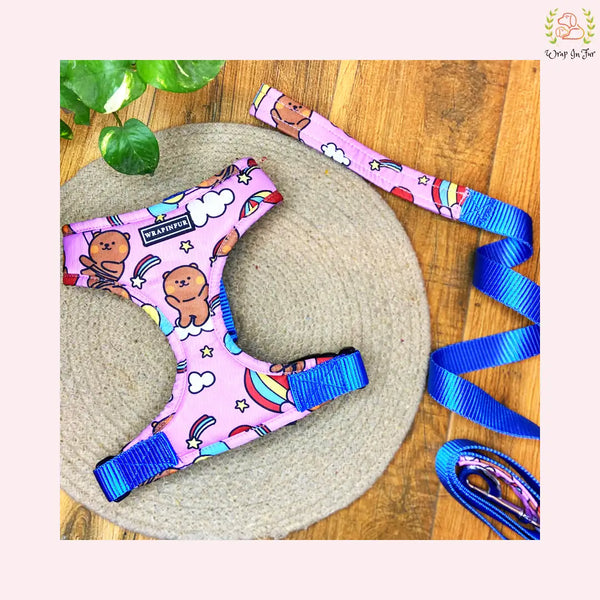
Dog harnesses come in several styles to suit different breeds, sizes, and walking habits, including:
- Back-clip harnesses
- Front-clip harnesses
- No-pull harnesses
- Step-in harnesses
- Vest harnesses
Choosing the right type of harness can make walks more comfortable, support training, and improve safety for both you and your dog.
Harness vs Collar: What's the Difference?
Many pet parents wonder whether a harness is better than a collar. While both serve a purpose, they work differently and offer distinct benefits.
| Feature | Dog Harness | Dog Collar |
|---|---|---|
| Pressure Distribution | Across chest and shoulders | Around the neck |
| Control During Walks | Better control | Limited control |
| Suitable for Dogs That Pull | Yes | Not ideal |
| Risk of Neck Strain | Lower | Higher |
| Training Support | Excellent | Basic |
| Escape Prevention | More secure | Less secure for some dogs |
A collar is useful for holding identification tags and everyday wear, but a harness is often the safer and more comfortable option for walks, training, and active dogs.
10 Benefits of Using a Dog Harness

1. Provides Better Control During Walks
One of the biggest benefits of using a dog harness is the improved control it offers during walks. Because the leash attaches to the dog's body rather than the neck, pet parents can guide their dogs more effectively without causing discomfort.
This extra control is particularly useful for :-
- Strong dogs
- Large breeds
- Energetic puppies
- Dogs learning leash manners
- Dogs that get easily distracted outdoors
A harness helps you manage sudden movements more safely, making walks more enjoyable and reducing the chances of your dog pulling you off balance.
2. Reduces Pressure on the Neck and Throat
Unlike collars, which place pressure directly on a dog's neck, a harness distributes force across the chest, shoulders, and upper body. This helps reduce strain on sensitive areas such as the throat and trachea.
A harness can be especially beneficial for :-
- Small dog breeds
- Puppies
- Dogs that frequently pull on the leash
- Dogs with respiratory issues
- Flat-faced breeds such as Pugs and French Bulldogs
By minimizing pressure on the neck, a harness can make walks more comfortable and help lower the risk of accidental injuries.
3. Helps Prevent Pulling on the Leash
Many dog owners struggle with dogs that constantly pull during walks. A no-pull or front-clip harness can be an effective training tool because it gently redirects your dog's movement when they pull forward.
Benefits include :-
- Better leash manners
- Improved walking behavior
- More enjoyable walks
- Reduced strain on the owner
While a harness isn't a complete solution on its own, it can make leash training much easier when combined with consistent positive reinforcement.
4. Safer for Puppies and Young Dogs
Puppies are naturally curious and often move unpredictably during walks. A harness provides better support and control without placing unnecessary pressure on their developing neck and throat.
Why harnesses are great for puppies :-
- Gentle on growing bodies
- Helps introduce leash training
- Provides better security
- Reduces the risk of injury from sudden pulling
For many pet parents, a harness is one of the safest ways to begin leash training a young dog.
5. Offers Better Security for Escape-Prone Dogs
Some dogs can easily slip out of traditional collars, especially if they become frightened or excited. A properly fitted harness wraps around the body and generally provides a more secure fit.
This added security is particularly useful for :-
- Rescue dogs
- Nervous dogs
- Small breeds
- Dogs exploring new environments
A secure harness can help prevent unexpected escapes and provide greater peace of mind during walks.
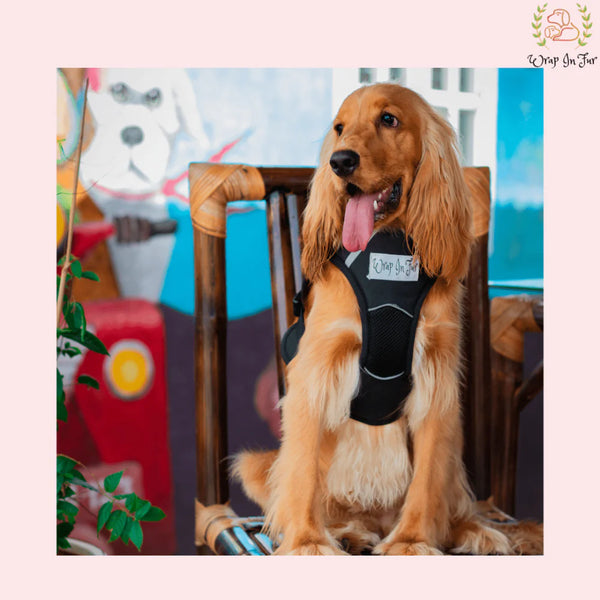
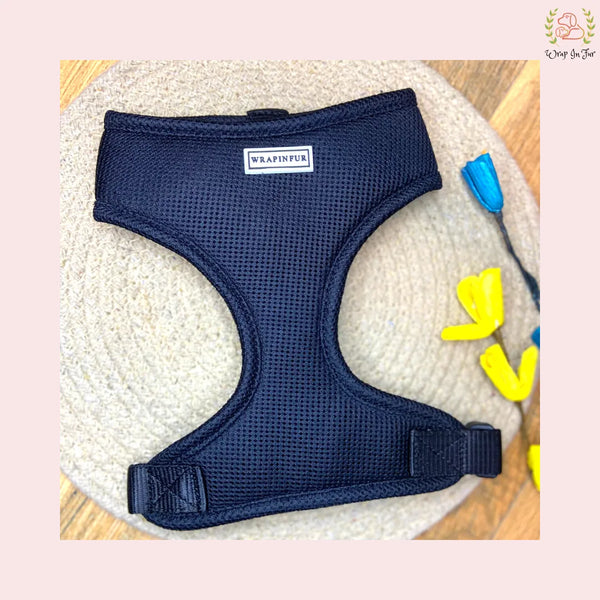
6. Improves Comfort During Daily Walks
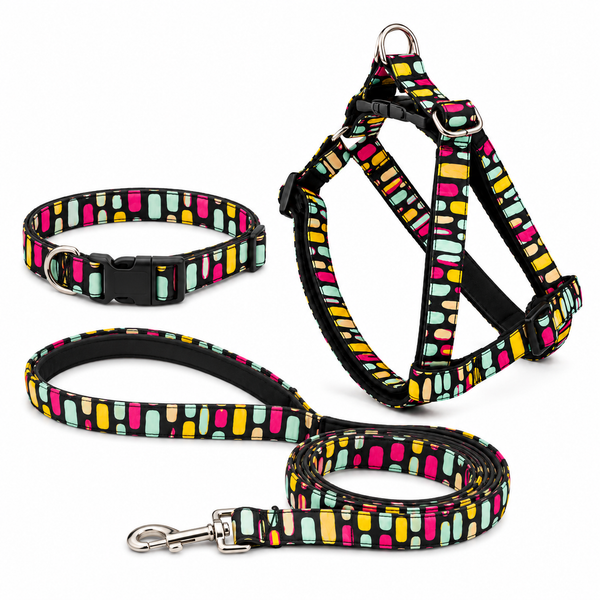
Comfort plays a major role in your dog's walking experience. Since a harness spreads pressure across a larger area of the body, many dogs find it more comfortable than a collar, especially during longer walks.
A comfortable harness can help :-
- Reduce rubbing around the neck
- Minimize pressure points
- Encourage natural movement
- Improve overall walking enjoyment
When fitted correctly, a harness allows your dog to move freely while staying secure.
7. Makes Training Easier
Harnesses are commonly used by dog trainers because they provide greater control without causing unnecessary discomfort. Whether you're teaching basic commands or improving leash manners, a harness can support the training process.
Training situations where a harness can help :-
- Loose-leash walking
- Puppy training
- Socialization outings
- Outdoor obedience practice
The additional control allows pet parents to guide their dogs more effectively while maintaining a positive training experience.
8. Ideal for Small and Flat-Faced Breeds
Certain breeds are more vulnerable to neck and breathing issues than others. Small dogs and brachycephalic (flat-faced) breeds often benefit from using a harness instead of a collar.
Examples include :-
- Pug
- French Bulldog
- Shih Tzu
- Pomeranian
- Chihuahua
A harness helps reduce pressure on the airway, making walks safer and more comfortable for these breeds.
9. Supports Outdoor Adventures and Travel
If your dog enjoys hiking, road trips, or outdoor adventures, a harness can provide additional safety and control in unfamiliar environments.
Benefits for active dogs include :-
- Better handling on trails
- Improved control around distractions
- Secure leash attachment
- Easier assistance over obstacles
Many adventure-loving pet parents prefer harnesses because they offer both comfort and reliability during outdoor activities.
10. Reduces the Risk of Walking-Related Injuries
One of the most important benefits of using a dog harness is injury prevention. Since pressure is distributed across stronger parts of the body, harnesses can help reduce the risk of neck strain caused by sudden pulling or jerking.
A properly fitted harness may help prevent:
- Neck discomfort
- Throat irritation
- Tracheal stress
- Walking-related strain
While no walking accessory can eliminate all risks, a harness can contribute to a safer walking experience for many dogs.
Different Types of Dog Harnesses

Choosing the right type of dog harness is just as important as choosing the right size. Different harness styles are designed for different walking habits, training needs, and dog breeds. Understanding the available options can help you find the most comfortable and effective harness for your furry friend.
1. Back-Clip Harness
A back-clip harness features a leash attachment located on the dog's back. It is one of the most common and beginner-friendly harness styles.
Best for:
- Well-behaved dogs
- Small and medium breeds
- Everyday walks
Pros:
- Easy to put on and use
- Comfortable for daily wear
- Reduces pressure on the neck
Cons:
- May not be ideal for strong pullers
2. Front-Clip Harness
A front-clip harness has a leash attachment on the front of the chest. When a dog pulls, the harness gently redirects their movement toward the owner, making it easier to manage pulling behavior.
Best for:
- Dogs that pull on the leash
- Training sessions
- Strong and energetic breeds
Pros:
- Helps discourage pulling
- Provides better control
- Useful for leash training
Cons:
- Can take time for dogs to get used to
3. No-Pull Harness
A no-pull harness is specifically designed to help reduce excessive pulling during walks. Many no-pull models combine front and back leash attachment points for greater versatility.
Best for:
- Dogs with pulling habits
- Large breeds
- Training and behavior improvement
Pros:
- Improves leash manners
- Offers enhanced control
- Supports positive training methods
Cons:
- Requires proper fitting for best results
4. Step-In Harness
As the name suggests, dogs step into this harness before it is secured around the body. Step-in harnesses are simple, lightweight, and easy to use.
Best for:
- Puppies
- Small dog breeds
- Dogs that dislike overhead harnesses
Pros:
- Easy to wear
- Lightweight design
- Comfortable for everyday use
Cons:
- May offer less control than some training harnesses
5. Vest Harness
A vest harness features a wider, padded design that covers more of the dog's chest and body. It is often chosen for added comfort and support.
Best for:
- Small breeds
- Senior dogs
- Dogs with sensitive skin
Pros:
- Comfortable padding
- Even pressure distribution
- Stylish and secure fit
Cons:
- Can feel warm in hot weather
6. Dual-Clip Harness
A dual-clip harness includes both front and back leash attachment points, allowing pet parents to switch between training and regular walking modes.
Best for:
- Growing puppies
- Active dogs
- Owners looking for versatility
Pros:
- Multiple walking options
- Supports training and daily use
- Greater flexibility
Cons:
- Usually more expensive than basic harnesses
How to Choose the Right Dog Harness for Your Dog

Choosing the right dog harness is important for your dog’s comfort, safety, and control during walks. The best harness depends on your dog’s size, behavior, and activity level. A correct choice helps reduce pulling, prevents injuries, and improves walking experience.
Start by measuring your dog’s chest girth to ensure a proper fit. The harness should be snug but comfortable, allowing two fingers of space between the strap and body. Small dogs need lightweight harnesses, while large breeds require stronger, durable designs.
Next, consider your dog’s behavior. Dogs that pull benefit from front-clip or no-pull harnesses, while calm dogs can use back-clip harnesses. Puppies and small breeds do better with soft, padded step-in or vest harnesses for extra comfort and safety.
Material also matters. Always choose breathable, padded, and skin-friendly fabric to prevent rubbing and overheating during long walks. Adjustable straps are essential for a secure fit and growing puppies.
Where to Buy the Right Dog Harness
You can buy a dog harness online or offline, but the best choice depends on variety, quality, and convenience.
For the widest range of comfortable, stylish, and adjustable dog harnesses, online stores are the best option because they offer detailed size guides, customer reviews, and multiple designs like no-pull, step-in, vest, and dual-clip harnesses.
One of the best places to explore premium-quality dog harnesses is Wrapinfur, which offers specially designed walking gear for different dog sizes and behaviors. You can check their collection

