


Cooling Mats for Dogs & Cats: Benefits, Safety & Buying Guide
Henika SinghIndian summers can be exhausting for pets. Dogs often search for cool tiles, cats stretch across shaded corners, and long-haired breeds quickly become uncomfortable during peak afternoon heat. In many homes and apartments, indoor temperatures can remain warm for hours, especially during late afternoons.
That’s one reason cooling mats for dogs and cats have become one of the most popular summer pet accessories in India. From self-cooling gel mats to water-based cooling pads and elevated cooling beds, pet owners now have several options to help pets stay more comfortable during hot weather.
But do cooling mats actually work? Are they safe for pets? Which type is best? And are they worth buying in India’s climate?
This complete guide explains everything pet parents should know about cooling mats for dogs and cats, including benefits, safety, types, buying tips, maintenance, and common mistakes to avoid.
What Is a Pet Cooling Mat?

A pet cooling mat is a specially designed surface that helps dogs and cats stay more comfortable during warm weather. Unlike traditional pet beds that can trap heat, cooling mats create a cooler resting space that pets naturally gravitate toward during summer.
Most cooling mats use pressure-activated gel, cooling foam, water-filled layers, or breathable elevated mesh designs to absorb and disperse body heat. Many work without electricity or refrigeration, which makes them practical for everyday use inside homes, apartments, crates, and cars.
During Indian summers, pets often move toward tiled floors, shaded corners, or cooler rooms to escape afternoon heat. Cooling mats simply give them a more comfortable and supportive place to rest.
They are especially useful for indoor pets, long-haired breeds, senior dogs and cats, flat-faced breeds, and pets living in hot or humid regions.

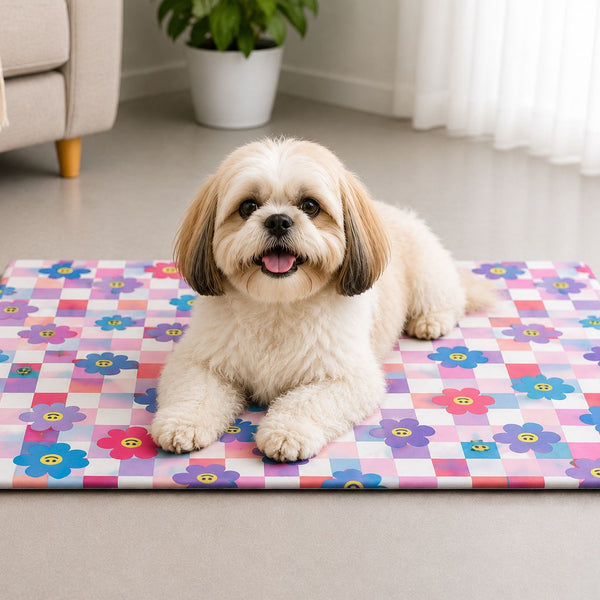

Do Cooling Mats Really Work?

Yes, cooling mats can genuinely help pets feel more comfortable during hot weather.
Most self-cooling mats contain pressure-activated gel that absorbs body heat when a pet lies down. The surface gradually feels cooler than surrounding bedding and can remain effective for several hours before resetting automatically when not in use.
Cooling mats help reduce heat buildup by dispersing body heat away from the pet’s body surface. They are especially useful for pets that spend summer sleeping on tiles, pant excessively indoors, avoid thick bedding, or become restless during afternoon heat.
However, cooling mats are not a replacement for proper summer care. Pets still need fresh drinking water, proper ventilation, shade, and limited outdoor activity during peak heat.
Cooling mats also cannot replace veterinary care during heat exhaustion or heatstroke. If a pet shows symptoms like excessive drooling, vomiting, weakness, confusion, or collapse, immediate veterinary attention is important.
Benefits of Cooling Mats for Dogs and Cats
Cooling mats help create a cooler resting surface during hot weather, which can make a noticeable difference for pets that struggle with summer heat.
Many dogs and cats avoid thick bedding during warmer months because heavy fabrics retain warmth. Cooling mats offer a lighter and more breathable alternative that feels more comfortable during afternoon naps or post-walk rest.
They are especially useful after walks, exercise, or long afternoons in warm indoor spaces. Most modern cooling mats are lightweight, portable, and easy to move around the house. They work well inside apartments, beside windows, near ceiling fans, inside crates, and even during car travel.
Cooling mats are also helpful for senior pets that prefer cooler surfaces during humid weather. Active dogs often enjoy lying on them after outdoor activity, while indoor cats naturally gravitate toward them during peak afternoon heat.
Another reason many pet owners prefer cooling mats is convenience. Many self-cooling mats work without electricity, batteries, or refrigeration, making them practical for everyday summer use.
Types of Cooling Mats for Pets

Not all cooling mats work the same way, and choosing the right one depends on your pet’s habits, comfort preferences, and daily routine.
Self-Cooling Gel Mats
Gel cooling mats are the most popular option for dogs and cats. These mats contain pressure-activated gel that absorbs body heat when pets lie down. They are lightweight, portable, easy to store, and suitable for most indoor households.
Water-Filled Cooling Mats
Water-filled cooling mats use water chambers to create a cooler resting surface. They are often softer and more budget-friendly, though they can feel heavier and less portable compared to gel mats.
Refrigerated Cooling Pads
Some cooling pads require refrigeration or freezing before use. These products can provide stronger short-term cooling but require more preparation and maintenance.
Elevated Cooling Beds
Elevated cooling beds use breathable mesh fabric raised above the floor to improve airflow underneath the pet’s body. They are especially popular for large dogs, thick-coated breeds, and semi-outdoor shaded spaces.
Are Cooling Mats Safe for Dogs and Cats?

Most cooling mats are safe when purchased from reputable brands and used correctly.
However, pet owners should supervise pets during initial use, especially if their dog or cat tends to chew, scratch, or bite household items.
Choosing a durable, non-toxic cooling mat is important. Look for durable outer fabric, leak-resistant construction, scratch-resistant surfaces, and waterproof materials that can handle everyday use.
It is also important to check for punctures regularly, keep the surface clean and dry, and replace damaged mats immediately.
If a cooling mat leaks, stop using it immediately. If a pet punctures the mat and ingests the gel inside, contact a veterinarian if symptoms like vomiting, excessive drooling, or digestive upset appear.
Cheap low-quality products often use thin fabric or poor stitching that tears quickly. Spending slightly more on a durable cooling mat usually saves money long term.
Signs Your Pet May Need a Cooling Mat

Some pets handle summer temperatures better than others, but certain behaviors often indicate that a dog or cat is struggling with heat.
If your pet frequently sleeps on bathroom or kitchen tiles, avoids regular bedding during summer, pants heavily indoors, constantly changes sleeping spots, or appears restless during hot afternoons, a cooling mat may help improve comfort.
Long-haired breeds, flat-faced breeds, senior pets, and highly active dogs are usually more sensitive to warm temperatures. Pets living in apartments or homes that retain afternoon heat may also benefit from additional cooling support.
Cats especially tend to search for cool corners independently, while dogs often stretch across the coldest floor surface they can find.
Pets cannot tell us when the heat becomes uncomfortable. Instead, they quietly search for cooler places to rest, avoid warm bedding, or move repeatedly between sleeping spots. Small changes like adding a cooling mat can make summer afternoons far more comfortable.
How to Choose the Best Cooling Mat for Your Pet

The best cooling mat should feel comfortable, durable, and practical for everyday use.
Choose the Right Size
Your pet should be able to stretch comfortably across the mat without hanging off the edges.
- Small mats work well for cats, Shih Tzus, Pugs, and toy breeds
- Medium mats suit Beagles and similar-sized dogs
- Large or XL mats are better for Labradors, Golden Retrievers, and German Shepherds
Focus on Material Quality
A durable outer layer, non-toxic gel, waterproof construction, and scratch-resistant fabric help the mat last longer during daily use.
If your pet enjoys chewing or digging, avoid thin low-quality products that puncture easily.
Look for Easy Maintenance
Cooling mats should wipe clean quickly because pets shed fur, drool, and spend long hours resting on them throughout the day.
Foldable mats are also useful for travel, crates, and moving between rooms during summer.
For most households, lightweight self-cooling mats offer the best combination of convenience and comfort.
Can Cooling Mats Prevent Heatstroke?

Cooling mats can improve comfort during hot weather, but they cannot fully prevent heatstroke during extreme temperatures.
Pets still require constant access to water, proper airflow, shade, and reduced outdoor activity during afternoons. Never leave dogs or cats inside parked vehicles during summer, even for a short period.
If a pet shows symptoms like excessive panting, weakness, vomiting, confusion, or collapse, immediate veterinary care is necessary.
Cooling mats work best as part of overall summer pet care rather than as a complete solution.
Where Should You Place a Cooling Mat?
Cooling mats usually work best in shaded indoor spaces with good airflow, especially on tile or hardwood flooring.
They are also useful near windows, beside ceiling fans, inside crates, and during car travel. Many pets naturally prefer using them in rooms that stay cooler during the afternoon.
Avoid placing cooling mats in direct sunlight because the surface itself can become warm over time.
Cleaning and Maintenance Tips
Proper maintenance helps extend the life of a cooling mat.
Cleaning Tips
- Wipe regularly with a damp cloth
- Use pet-safe cleaning products
- Avoid harsh chemicals
- Let the mat dry fully before reuse
Storage Tips
- Fold carefully
- Store in a cool dry place
- Avoid sharp objects
- Keep away from direct heat
Common Mistakes Pet Owners Make
One of the biggest mistakes is buying a cooling mat that is too small. Pets should be able to stretch comfortably across the surface.
Another common issue is choosing extremely cheap products made with thin materials that tear or lose cooling performance quickly.
Some pet owners also expect cooling mats to completely replace proper summer care. While cooling mats improve comfort, pets still need hydration, ventilation, shade, and limited outdoor activity during peak heat.
Placing cooling mats in direct sunlight is another mistake because the surface itself can become warm over time.
Some pets may also ignore the mat initially. This is normal. Dogs and cats often take time to adjust to new sleeping surfaces. Tiny furry creatures spending three days suspiciously judging a rectangle before sitting on it remains one of nature’s stranger rituals.
Are Cooling Mats Worth Buying?

For many pet owners, yes.
Cooling mats can noticeably improve comfort during summer, especially for indoor pets, senior animals, thick-coated breeds, flat-faced breeds, and pets living in warmer regions.
They are relatively affordable, easy to maintain, and useful during peak summer heat. While they are not essential for every household, many pets naturally prefer cooler resting surfaces during hot weather, which makes cooling mats a practical seasonal accessory.
Final Thoughts
For many Indian pet owners, cooling mats offer a simple and affordable way to improve pet comfort during extreme summer heat.
Whether you choose a gel cooling mat, water-filled pad, or elevated cooling bed, the best option depends on your pet’s size, behavior, and lifestyle.
The most reliable cooling mats are durable, non-toxic, easy to clean, and large enough for pets to rest comfortably.
While cooling mats are not a replacement for hydration, ventilation, shade, or responsible summer care, they can make hot afternoons significantly more comfortable for dogs and cats.
For pets that struggle with warm indoor temperatures, a lightweight self-cooling mat can be a practical addition during summer months.
Read More
- How to Choose the Perfect Dress for Your Dog
- Designer Lehengas for Dogs | Festive & Wedding Dog Outfits in India
FAQs
Q1. Do cooling mats really work for dogs and cats?
Yes, cooling mats can help pets feel more comfortable during hot weather by creating a cooler resting surface. Most self-cooling mats use pressure-activated gel that absorbs body heat without electricity or refrigeration.
Q2. Are cooling mats safe for pets?
Most cooling mats are safe when made with non-toxic materials and used correctly. Pet owners should regularly check for punctures or leaks, especially if their pet tends to chew or scratch bedding.
Q3. Which cooling mat is best for dogs and cats?
Self-cooling gel mats are usually the most popular option because they are lightweight, portable, easy to maintain, and suitable for daily indoor use.
Q4. Can cats use cooling mats?
Yes, cats can benefit from cooling mats during summer, especially long-haired breeds or indoor cats living in warmer environments.
Q5. Do cooling mats need electricity?
No, many modern cooling mats work without electricity, batteries, or refrigeration.
Q6. Can cooling mats be used inside crates?
Yes, many cooling mats are designed for crates, carriers, and car travel, making them useful during summer transport and indoor resting.

