


Do Dogs Feel Cold in Winter? Signs, Care & Winter Clothing
Aaditya kushwahaWhen winter arrives, it is common to see dogs curling up in blankets, looking for sunny spots, or staying close to their owners. But this raises an important question for dog parents: do dogs feel cold in winter?
Yes, dogs can feel cold. Their fur gives them some natural protection, but it does not mean every dog can comfortably handle low temperatures. A small Shih Tzu, for example, may need more warmth than a thick-coated dog, especially during a cold night.
Understanding how your dog reacts to winter can help you decide when a warm bed, shorter walk, or comfortable winter outfit is needed.
Do Dogs Feel Cold in Winter?

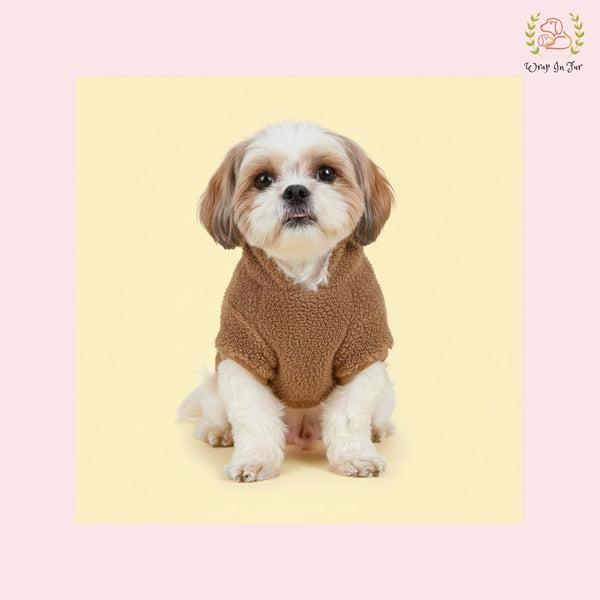
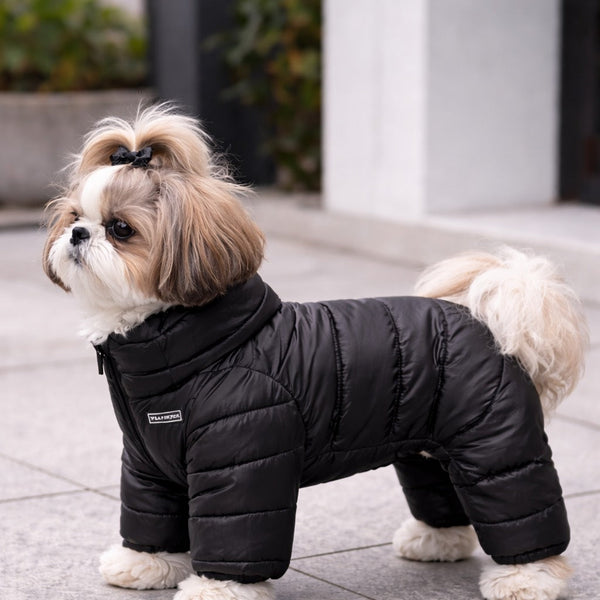
Dogs can feel cold just like people do, but how quickly they become uncomfortable depends on the individual dog.
Breed, coat type, body size, age, health and weather conditions all play a role. A dog with a thick coat may handle cool weather comfortably, while a small dog with a short or thin coat may start feeling cold much sooner.
Cold wind and wet weather can also make winter conditions harder for dogs. A wet coat provides less effective insulation, which is why keeping your dog dry is particularly important during winter.
This is also why there is no single temperature that can be called “too cold” for every dog. Instead of looking only at the thermometer, dog parents should also pay attention to how their pet is behaving.
How Do You Know If Your Dog Is Cold?

Dogs cannot tell us when they are uncomfortable, so their body language becomes an important clue.
If your dog starts shivering, curls up tightly, keeps looking for warm places, or suddenly becomes reluctant to go outside, they may be feeling cold.
Other signs can include :-
- Shivering or trembling
- Lifting paws from a cold surface
- Trying to stay close to you
- Wanting to go back indoors during a walk
- Curling up more tightly than usual
- Seeking blankets, beds or sunny spots
- Appearing uncomfortable outdoors
One sign alone does not necessarily mean your dog is in danger. However, if your dog continues to shiver or shows unusual weakness, confusion, difficulty walking or other worrying symptoms, move them to a warm place and contact a veterinarian.
Which Dogs Feel Cold More Easily?
Not all dogs experience winter in the same way. Small dogs often need more attention in cold weather because their smaller bodies can lose heat relatively quickly. Dogs with short or thin coats also have less natural insulation compared with dogs that have dense coats.
Puppies and senior dogs may need additional care as well. Their ability to regulate body temperature may not be the same as that of a healthy adult dog.
Some dogs that may be more sensitive to cold include :-
| Type of Dog | Why Extra Care May Be Needed |
|---|---|
| Small dogs | Can lose body heat relatively quickly |
| Short-haired dogs | Have less natural insulation |
| Puppies | Still developing temperature regulation |
| Senior dogs | May be less tolerant of cold |
| Thin or underweight dogs | Have less body insulation |
| Dogs with health problems | May be more sensitive to environmental stress |
This does not mean every dog in these groups needs a sweater. The important thing is to understand your own dog's behaviour and comfort level.
Do Dogs Feel Colder at Night?

Many dog parents notice their pets looking for blankets or warmer sleeping spots at night. The reason is simple: temperatures generally fall after sunset, and a dog that was comfortable during a sunny afternoon may feel colder later in the evening.
If your dog sleeps indoors, give them a comfortable, dry sleeping area away from cold drafts. A good-quality bed or blanket can provide an extra layer of comfort. For dogs that are particularly sensitive to cold, moving their sleeping area away from cold floors or windows can also help.
How to Keep Your Dog Warm in Winter
Keeping a dog comfortable during winter does not always require special products. Small changes to their daily routine can make a noticeable difference.
Start with their sleeping area. Your dog should have a warm, dry place where they can rest comfortably. If their bed is directly on a cold floor, consider placing it somewhere warmer and away from drafts.
Outdoor time may also need some adjustment. Your dog still needs exercise during winter, but very cold or wet weather may call for shorter walks and more indoor play.
After a rainy or damp walk, dry your dog's coat and paws properly. Wet fur can make dogs feel colder, particularly when the weather is already chilly.
And don't forget their paws. Check them after outdoor walks and clean away dirt or moisture when necessary.
Do Dogs Need Winter Clothes?

This is one of the most common questions dog parents ask during winter. Some dogs benefit from winter clothes, while others may not need them.
A dog sweater or jacket can provide an additional layer of warmth for small, short-coated or cold-sensitive dogs. It can also be useful during early-morning or evening walks when temperatures are lower.
The most important thing is choosing clothing that fits properly. Your dog should be able to walk, sit, run and lie down without the outfit restricting movement.
For example, a small dog wearing a comfortable dog sweater may be more comfortable during a chilly morning walk. A warmer dog jacket can be useful when additional coverage is needed outdoors.
Winter clothing should be viewed as an extra layer of protection, not a replacement for sensible winter care.
How to Choose Winter Clothes for Your Dog
Choosing dog winter clothes is not only about appearance. Comfort and fit should come first.
Look for clothing that :-
- Fits comfortably around the chest and neck
- Allows natural movement
- Does not rub the skin
- Is suitable for the weather
- Is easy to put on and remove
- Does not make your dog uncomfortable
If your dog has never worn clothes before, introduce the outfit gradually. Let them smell and inspect it first, then put it on for a short period indoors. Some dogs adjust quickly, while others need more time.
What Temperature Is Too Cold for a Dog?

There is no single temperature that is considered too cold for every dog. A thick-coated adult dog may tolerate cold weather differently from a small, short-haired dog. Wind, rain, humidity, coat condition, age and health can all change how a dog responds to cold.
Therefore, instead of relying only on a specific temperature number, watch your dog's behaviour.
If your dog is visibly uncomfortable, shivering, repeatedly trying to return indoors or refusing to continue the walk, it is a good idea to get them somewhere warm.
In particularly cold conditions, avoid leaving dogs outdoors for extended periods.
Common Winter Mistakes Dog Parents Should Avoid
Winter care is often about avoiding simple mistakes. One common mistake is assuming that a dog's fur makes them completely protected from cold. It doesn't. Coat thickness varies greatly between breeds and individual dogs.
Another mistake is keeping outdoor walks the same length regardless of weather. If the conditions are unusually cold, wet or windy, adjusting the walk can be more comfortable for your dog.
It is also important not to force your dog to wear clothing if they are clearly uncomfortable. A properly fitted outfit should help your dog feel comfortable, not restrict them.
Most importantly, never ignore significant changes in your dog's behaviour during cold weather.
Final Thoughts
So, do dogs feel cold in winter? Absolutely. Some dogs handle cold weather quite well, while others may become uncomfortable much sooner.
The best way to care for your dog during winter is to look at the individual rather than relying only on breed or temperature. Keep their sleeping area warm and dry, adjust outdoor time when necessary, and watch for signs such as shivering, seeking warmth or reluctance to stay outside.
Read More
FAQs :- Do Dogs Feel Cold in Winter
Q1. Do dogs feel cold in winter?
Yes, dogs can feel cold in winter. How sensitive they are depends on factors such as breed, coat type, size, age, health, and weather conditions.
Q2. How can I tell if my dog is cold?
Common signs include shivering, curling up tightly, seeking warm places, lifting their paws, trying to go indoors, and becoming reluctant to continue a walk.
Q3. Do dogs feel cold at night?
Yes, dogs can feel colder at night as temperatures drop. Small, short-haired, young, senior, or cold-sensitive dogs may need extra warmth and a comfortable sleeping area.
Q4. Which dogs feel cold more easily?
Small dogs, short-haired dogs, puppies, senior dogs, thin dogs, and dogs with certain health conditions may be more sensitive to cold weather.
Q5. Do dogs need winter clothes?
Not every dog needs winter clothes. However, a properly fitted sweater or jacket can provide extra warmth for dogs that are small, short-haired, or sensitive to cold.
Q6. What are the signs that a dog is too cold?
Persistent shivering, unusual weakness, confusion, difficulty walking, or significant discomfort can indicate that a dog is too cold and needs to be moved to a warm environment.
Q7. What is the best way to keep a dog warm in winter?
Provide a warm, dry sleeping area, keep your dog dry, adjust outdoor time during very cold weather, protect their paws, and consider suitable winter clothing when needed.
Q8. Can dogs sleep outside during winter?
Dogs should not be left outside for prolonged periods in cold weather. Their tolerance varies, but a warm, dry indoor sleeping area is generally a safer option when temperatures are low.
Q9. Should I put a sweater on my dog in winter?
A sweater can be helpful for some dogs during cold weather, particularly small or short-coated dogs. It should fit comfortably and allow unrestricted movement.
10. Do small dogs get cold faster than large dogs?
Small dogs can lose body heat relatively quickly and may be more sensitive to cold than larger dogs, although coat type, age, health, and individual tolerance also matter.

