


Japanese Bobtail Cat Price in India 2026: Cost, Monthly Expenses & Complete Breed Guide
Henika SinghThe Japanese Bobtail is one of the rarest and most distinctive pedigree cat breeds available in India. Best known for its naturally short, pom-pom-like tail, this elegant feline has been treasured in Japan for centuries and is widely associated with the famous Maneki-neko or "Lucky Cat," a symbol of prosperity and good fortune. Along with its unique appearance, the breed is admired for its playful personality, high intelligence, and affectionate nature.
Because very few Japanese Bobtails are bred in India, most kittens are imported from reputable breeders in countries such as Japan, the United States, and parts of Europe. This limited availability makes them one of the most expensive cat breeds to own in the country.
As of 2026, a Japanese Bobtail kitten in India typically costs between ₹1.5 lakh and ₹4.5 lakh, while kittens from champion bloodlines can exceed ₹7 lakh after import-related expenses. Besides the purchase price, prospective owners should also budget for food, veterinary care, grooming essentials, and other monthly expenses.
In this comprehensive guide, we'll cover the latest Japanese Bobtail price in India, city-wise price estimates, monthly maintenance costs, and everything else you need to know before bringing this rare and fascinating breed home.
Japanese Bobtail Cat Overview

| Feature | Details |
|---|---|
| Origin | Japan |
| Breed Type | Natural Breed |
| Weight | 2.5-5 kg |
| Height | 20-28 cm |
| Lifespan | 12-16 years (often longer) |
| Coat Type | Short-haired & Long-haired |
| Shedding | Low to Moderate |
| Grooming Needs | Low |
| Energy Level | High |
Japanese Bobtail Cat Price in India (2026)

The Japanese Bobtail is among the most expensive cat breeds available in India, largely because of its rarity. Unlike more common pedigree breeds, very few Japanese Bobtails are bred locally, so most buyers obtain their kittens from established international breeders. The final price often includes not only the kitten but also transportation, health certifications, pedigree registration, and various import-related formalities.
Estimated Japanese Bobtail Cat Price in India
| Type | Estimated Price |
|---|---|
| Adoption (Very Rare) | ₹5,000-₹25,000* |
| Pet Quality | ₹1,50,000-₹2,80,000 |
| Show Quality | ₹2,80,000-₹4,50,000 |
| Champion Bloodlines | ₹4,50,000-₹7,00,000+ |
Finding a Japanese Bobtail through adoption in India is extremely uncommon. While the breed may occasionally become available through private rehoming or rescue organisations, most prospective owners should expect to purchase an imported kitten from a reputable breeder.
The exact price depends on factors such as pedigree, breeder reputation, bloodline, age, and coat pattern. International shipping, customs clearance, vaccinations, microchipping, and veterinary health certificates can also increase the total cost.

Japanese Bobtail Kitten Price in India
Since very few Japanese Bobtails are bred domestically, most kittens sold in India are imported from reputable breeders in Japan, Europe, or the United States.
A pet-quality Japanese Bobtail kitten generally costs between ₹1.5 lakh and ₹2.8 lakh, while show-quality kittens usually range from ₹2.8 lakh to ₹4.5 lakh. Kittens from champion bloodlines or those with breeding potential can cost ₹4.5 lakh to ₹7 lakh or even more, depending on their pedigree and breeder.
The purchase price often includes vaccinations, deworming, microchipping, pedigree registration, and basic veterinary health checks. However, buyers should always confirm exactly what is included, as transportation, customs duties, and other import-related expenses may be charged separately.
Because Japanese Bobtails are produced in relatively small numbers, many breeders maintain waiting lists. Depending on breeder availability and planned litters, prospective owners should be prepared to wait anywhere from 3 to 12 months before bringing a kitten home.
Japanese Bobtail Price in Major Indian Cities

Since the Japanese Bobtail is primarily an imported breed, prices remain broadly similar across major Indian cities. Any variation in the final amount usually depends on transportation costs, import logistics, and the breeder's location rather than the city where the buyer lives.
| City | Estimated Price |
|---|---|
| Delhi | ₹1.5 lakh-₹4.5 lakh+ |
| Mumbai | ₹1.5 lakh-₹4.5 lakh+ |
| Bengaluru | ₹1.5 lakh-₹4.5 lakh+ |
| Hyderabad | ₹1.5 lakh-₹4.5 lakh+ |
| Chennai | ₹1.5 lakh-₹4.5 lakh+ |
| Pune | ₹1.5 lakh-₹4.5 lakh+ |
| Kolkata | ₹1.5 lakh-₹4.5 lakh+ |
| Ahmedabad | ₹1.5 lakh-₹4.5 lakh+ |
Buyers purchasing an imported kitten should also factor in domestic transportation costs if the cat arrives through another city. Working with a reputable breeder or experienced pet transport service helps ensure the kitten reaches its new home safely and with minimal stress.
Japanese Bobtail Monthly Maintenance Cost in India

Purchasing a Japanese Bobtail is only the beginning of the financial commitment. Like all cats, this breed requires quality nutrition, regular veterinary care, suitable litter, and plenty of enrichment to remain healthy and happy. Fortunately, its relatively low-maintenance coat and generally robust health mean that ongoing expenses are often lower than those of several other premium pedigree breeds.
Estimated Monthly Expenses
| Expense | Estimated Monthly Cost |
|---|---|
| Premium Cat Food | ₹4,000-₹8,000 |
| Cat Litter | ₹1,500-₹3,000 |
| Routine Veterinary Care | ₹1,000-₹2,500 |
| Toys & Enrichment | ₹800-₹2,000 |
| Grooming Supplies | ₹500-₹1,500 |
Estimated Monthly Total: ₹8,000-₹17,000
Estimated First-Year Ownership Cost: ₹2.5 lakh-₹9 lakh+, including the purchase price, essential supplies, routine veterinary care, and other recurring expenses.
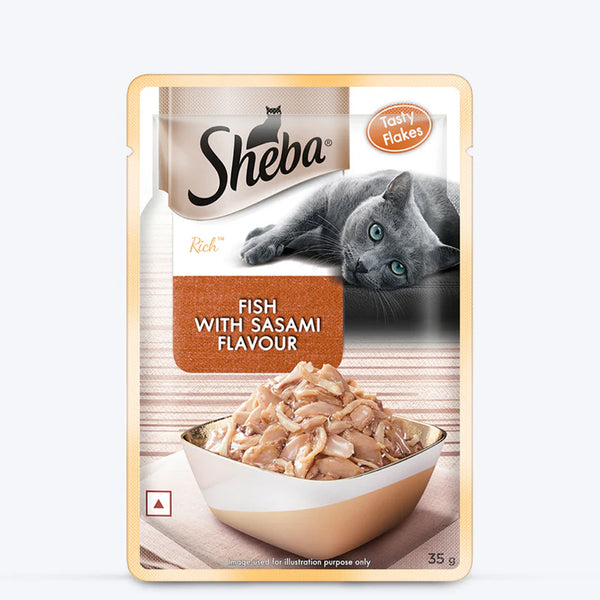
Food represents the largest monthly expense, as Japanese Bobtails thrive on a balanced, protein-rich diet made from high-quality ingredients. Many owners choose a combination of premium dry and wet food to provide complete nutrition while supporting healthy muscle development and maintaining an ideal body weight.
Cat litter is another regular expense for indoor cats. Investing in a good-quality clumping litter can improve odour control, simplify daily cleaning, and create a more comfortable environment for both the cat and its owner.
Routine veterinary care includes vaccinations, annual health check-ups, parasite prevention, and occasional dental treatment. Although the Japanese Bobtail is considered a healthy breed, preventive care plays an important role in detecting potential health issues early and avoiding expensive treatments later in life.
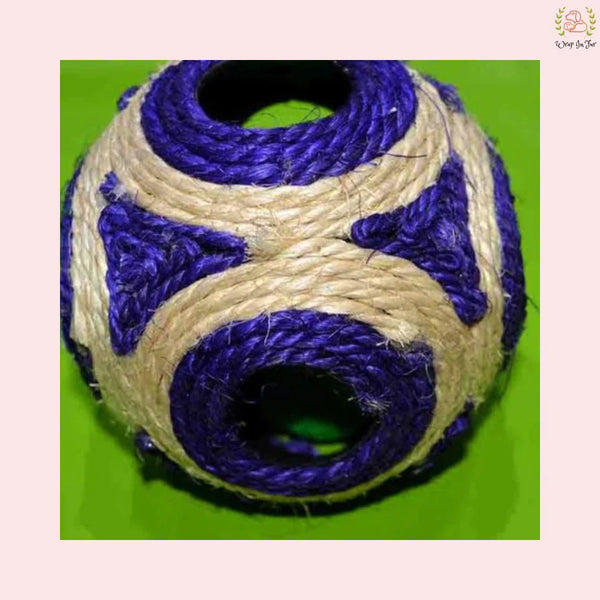
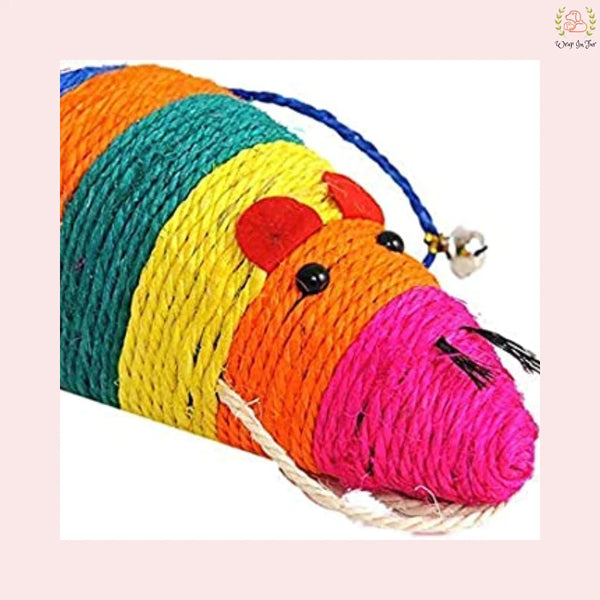
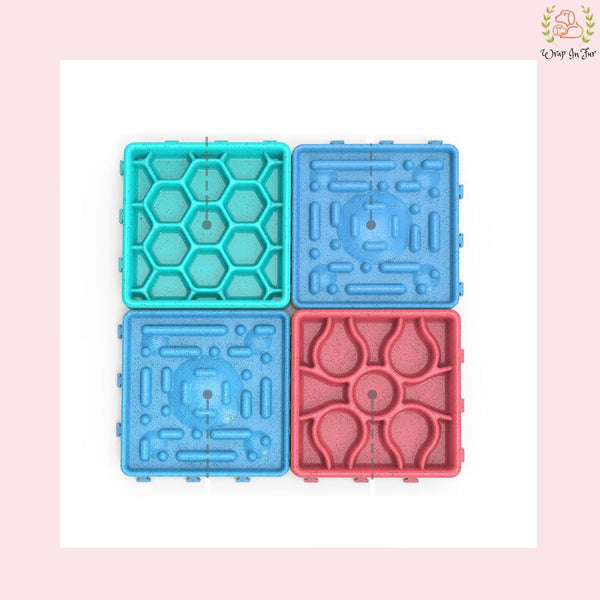
Finally, this intelligent and energetic breed benefits greatly from environmental enrichment. Interactive toys, puzzle feeders, scratching posts, and climbing trees encourage physical activity, provide mental stimulation, and help prevent boredom-related behaviours. While these items add to the monthly budget, they also contribute significantly to the cat's long-term health and overall well-being.
What Affects the Japanese Bobtail Cat Price in India?

Although Japanese Bobtails are among the most expensive cat breeds available in India, not every kitten costs the same. The final price depends on several factors, including pedigree, breeder reputation, age, coat colour, and the expenses involved in importing the kitten. Understanding these factors can help you evaluate whether a kitten is fairly priced and avoid paying a premium without a genuine reason.

Pedigree and Bloodline
A kitten's pedigree is one of the biggest influences on its price. Japanese Bobtails descended from champion bloodlines or award-winning parents are generally far more expensive than pet-quality kittens. These cats are bred to meet international breed standards and are often purchased for cat shows or responsible breeding programmes.
Appearance also plays a role. Kittens with excellent body structure, a well-formed pom-pom tail, attractive markings, and the traditional Mi-Ke (calico) colour pattern, which is especially valued in Japan, often command higher prices than those sold purely as family pets.
Breeder Reputation
Reputable breeders invest significant time and resources into producing healthy, well-socialised kittens. They carry out routine health checks, provide proper veterinary care, maintain accurate pedigree records, and ensure kittens are raised in a clean, enriching environment before joining their new families.
Because Japanese Bobtails are still uncommon worldwide, ethical breeders typically produce only a limited number of litters each year. As a result, demand frequently exceeds supply, and buyers may need to join a waiting list several months in advance.
Import and Transportation Costs
Unlike many popular pedigree breeds, Japanese Bobtails are rarely bred in India. Most kittens are imported from countries such as Japan, the United States, or parts of Europe, making transportation one of the largest contributors to the final purchase price.
International shipping, export documentation, customs clearance, microchipping, vaccinations, veterinary health certificates, and domestic transportation after arrival can collectively add a substantial amount to the overall cost. These import-related expenses explain why Japanese Bobtails remain considerably more expensive than breeds that are readily available from Indian breeders.
History and Origin

The Japanese Bobtail is one of the world's oldest natural cat breeds, with a history spanning well over a thousand years. Although its exact origins remain uncertain, historians believe the breed's ancestors were introduced to Japan from China or Korea many centuries ago, where they gradually developed into the distinctive bobtailed cats recognised today.
Their famous shortened tail is the result of a naturally occurring genetic mutation that became established over generations. Unlike some modern breeds that were created through intensive selective breeding, the Japanese Bobtail evolved naturally, helping preserve its strong genetic diversity and overall good health.
For centuries, these cats played an important role in Japanese society. They were valued for protecting silk-producing silkworms and food stores from rats and mice, making them both practical working cats and cherished companions. Their intelligence, agility, and excellent hunting abilities quickly earned them a respected place in Japanese households.
The breed is perhaps best known for its association with the Maneki-neko, the iconic "beckoning cat" figurine believed to attract prosperity and good fortune. Found outside countless homes, restaurants, and businesses throughout Japan, the traditional Maneki-neko is widely believed to have been inspired by the Japanese Bobtail, particularly the striking Mi-Ke (calico) variety.
The Japanese Bobtail remained relatively unknown outside Japan until the mid-20th century, when breeders introduced it to North America. Its distinctive appearance, outgoing personality, and naturally healthy genetics soon attracted international attention, leading to recognition by major cat registries around the world. Today, although still uncommon, the Japanese Bobtail is admired by enthusiasts for combining centuries of history with an energetic and affectionate temperament.
Appearance

Elegant, athletic, and instantly recognisable, the Japanese Bobtail has an appearance unlike any other cat breed. Its lean, well-balanced body, expressive face, and distinctive pom-pom tail create a graceful yet playful look that perfectly reflects its energetic personality. Although medium in size, the Japanese Bobtail is surprisingly muscular and agile, with powerful hind legs that allow it to jump remarkably high.
Size and Build
Adult Japanese Bobtails typically weigh between 2.5 and 5 kilograms, with males generally being slightly larger than females. Their bodies are long, lean, and well-muscled, giving them an athletic rather than stocky appearance. One of the breed's defining characteristics is its slightly longer hind legs, which create a graceful, rabbit-like gait while providing exceptional jumping ability. Combined with fine bones, an arched back, and oval-shaped paws, the Japanese Bobtail is built for speed, balance, and agility.
The breed's softly triangular head, high cheekbones, and gently curved profile give it an elegant, refined appearance. Large upright ears and expressive oval eyes, which may be gold, green, blue, or even odd-eyed, further enhance its alert, intelligent, and curious expression.
Coat, Colours and Signature Tail
Japanese Bobtails are recognised in both short-haired and long-haired varieties. Regardless of coat length, the fur is soft, silky, and lies close to the body without a dense undercoat. This makes the coat relatively easy to maintain, less prone to matting, and generally lower shedding than that of many other long-haired pedigree breeds.
The Japanese Bobtail is accepted in a remarkable range of colours and patterns, including white, black, red, cream, tortoiseshell, tabby, bicolour, and calico. Among these, the traditional Mi-Ke (red, black, and white calico) remains the breed's most iconic colour pattern and has long been associated with good fortune in Japanese culture.
No feature defines the Japanese Bobtail more than its naturally short, fluffy pom-pom tail. Formed by one or more gentle bends, kinks, or curves, every Japanese Bobtail has a uniquely shaped tail, making each cat truly one of a kind. Unlike some other bobtailed or tailless breeds, this naturally occurring trait is not generally associated with the severe spinal abnormalities linked to similar genetic mutations, contributing to the breed's reputation for excellent overall health.
While the Japanese Bobtail's distinctive appearance often catches people's attention first, it is the breed's playful personality, remarkable intelligence, and affectionate nature that truly make it an unforgettable companion.
Personality and Temperament

Friendly, intelligent, and endlessly curious, the Japanese Bobtail is often described as one of the most interactive cat breeds. Rather than remaining distant or independent, these cats enjoy being involved in everyday family life and quickly form strong bonds with their owners.
Many owners even describe the Japanese Bobtail as having a dog-like personality because of its affectionate and outgoing nature. They often greet family members at the door, follow their favourite people from room to room, and happily take part in daily activities. Despite being highly social, they are not overly demanding and are equally content relaxing with their family after an active play session.
Playfulness is one of the breed's defining traits. Even as adults, Japanese Bobtails retain much of their kitten-like enthusiasm, enjoying games of fetch, interactive toys, climbing cat trees, and exploring their surroundings. Their high intelligence also makes them easy to train, and many learn simple tricks or even walk comfortably on a harness using positive reinforcement.
Japanese Bobtails generally get along well with children, other cats, and cat-friendly dogs, making them an excellent choice for multi-pet households. They are also known for their soft, melodic chirps and trills rather than loud, repetitive meows, giving them a charming and expressive way of communicating.
Grooming and Care
The Japanese Bobtail is one of the easiest pedigree cats to groom. Whether short-haired or long-haired, its silky coat lacks a dense undercoat, making it less prone to matting and easier to maintain than many other long-haired breeds.
Short-haired Japanese Bobtails usually need brushing only once a week, while long-haired cats benefit from brushing two or three times weekly, particularly during seasonal shedding. Bathing is rarely necessary unless recommended by a veterinarian.
Routine care should also include regular nail trimming, ear checks, and dental hygiene. Brushing your cat's teeth several times a week and providing sturdy scratching posts can help maintain both oral health and healthy claws.
Because this is an active and intelligent breed, grooming should be complemented by plenty of exercise and mental stimulation. Cat trees, scratching posts, puzzle feeders, and interactive toys help prevent boredom while keeping your Japanese Bobtail physically and mentally healthy.
Diet and Nutrition

A balanced, protein-rich diet is essential for maintaining the Japanese Bobtail's lean body, glossy coat, and active lifestyle. High-quality commercial cat food, whether dry, wet, or a combination of both, provides the nutrients needed to support long-term health. Fresh drinking water should always be available, and many cats prefer using a pet water fountain.
Although naturally athletic, Japanese Bobtails can still become overweight if overfed or given too many treats. Feeding measured portions and encouraging daily exercise will help maintain a healthy body condition. If you're considering a homemade or raw diet, consult a veterinarian or qualified feline nutritionist to ensure your cat receives complete and balanced nutrition.
Health and Lifespan
The Japanese Bobtail is widely regarded as one of the healthier pedigree cat breeds. Having developed naturally over centuries rather than through intensive selective breeding, it enjoys excellent genetic diversity and relatively few inherited health problems.
With proper nutrition, regular veterinary care, and an indoor lifestyle, most Japanese Bobtails live between 12 and 16 years, although many remain healthy into their late teens.
Like all cats, they can still develop common age-related conditions such as dental disease, obesity, chronic kidney disease, hyperthyroidism, and arthritis. Regular veterinary check-ups, vaccinations, parasite prevention, and dental care remain the best ways to detect problems early and support a long, healthy life.
Many prospective owners also wonder whether the breed's distinctive bobbed tail causes spinal problems. Fortunately, the naturally shortened tail of the Japanese Bobtail is not generally associated with the severe spinal abnormalities seen in certain other tailless breeds, making it one of the healthiest naturally bobtailed cats.
Choosing a kitten from a reputable breeder who prioritises health and responsible breeding practices further reduces the risk of inherited conditions and gives your cat the best possible start in life.
Is a Japanese Bobtail the Right Cat for You?
The Japanese Bobtail is an excellent choice for owners seeking an affectionate, intelligent, and highly interactive companion. Its friendly nature, adaptability, and playful personality allow it to fit comfortably into a wide variety of households, from busy families with children to single owners looking for a devoted pet.
Thanks to its moderate size and relatively low-maintenance coat, the breed adapts well to apartment living, provided it receives enough exercise and mental stimulation. Cat trees, climbing shelves, scratching posts, puzzle feeders, and interactive toys help satisfy its curiosity while providing an outlet for its abundant energy.
The breed is particularly well suited to families with children, multi-pet households, and first-time cat owners willing to spend time playing and interacting with their pet. Japanese Bobtails enjoy being included in everyday activities and often develop close bonds with every member of the household.
However, they are not ideal for someone seeking a quiet or highly independent cat. Japanese Bobtails thrive on companionship and may become bored if left alone for extended periods without adequate enrichment. Owners with demanding work schedules should ensure their cat has plenty of toys, climbing opportunities, or even a compatible feline companion.
Pros and Cons of Owning a Japanese Bobtail
| Pros | Cons |
|---|---|
| Friendly and affectionate personality | Very expensive in India |
| Highly intelligent and easy to train | Extremely rare and difficult to find |
| Generally healthy natural breed | Most kittens need to be imported |
| Low grooming requirements | Long waiting lists are common |
| Good with children and other pets | Can become bored if left alone for long periods |
Buying a Japanese Bobtail in India
Because Japanese Bobtails are extremely rare in India, most owners purchase imported kittens from reputable international breeders. Before placing a reservation, verify the breeder's reputation and ensure the kitten comes with pedigree papers, vaccination records, a health certificate, and microchip details.
Always ask what is included in the quoted price, as shipping, customs duties, and domestic transportation may be charged separately. Although adoption is possible through private rehoming or rescue organisations, opportunities are extremely rare, and most prospective owners should expect to join a breeder's waiting list for an imported kitten.
Final Thoughts
The Japanese Bobtail is much more than a cat with a distinctive pom-pom tail. It is a centuries-old natural breed admired for its intelligence, athleticism, affectionate personality, and rich cultural history. From inspiring Japan's famous Maneki-neko figurines to becoming a cherished companion in homes around the world, this unique breed has earned its place among the most fascinating pedigree cats.
Read More
- Birman Cat Price in India 2026
- Ragamuffin Cat Price in India 2026
- Indie Cat Price in India
- 8 Best Affordable Cat Food in India
FAQ - Japanese Bobtail Cat Price
Q1. Are Japanese Bobtails rare in India?
Yes. Japanese Bobtails are one of the rarest pedigree cat breeds in India, and most available kittens are imported from breeders in Japan, the United States, or Europe.
Q2. How much does a Japanese Bobtail cost in India?
A pet-quality Japanese Bobtail kitten typically costs between ₹1.5 lakh and ₹2.8 lakh, while show-quality cats range from ₹2.8 lakh to ₹4.5 lakh. Champion bloodlines can exceed ₹7 lakh after import-related expenses.
Q3. Why are Japanese Bobtails so expensive?
Their high price is primarily due to their rarity, imported status, transportation costs, limited availability, pedigree, and the expense of responsible breeding.
Q4. Can I adopt a Japanese Bobtail in India?
Yes, but it is extremely rare. Occasionally, Japanese Bobtails become available through private rehoming or rescue organisations, although most owners purchase imported kittens from reputable breeders.
Q5. Are Japanese Bobtails good indoor cats?
Yes. They adapt very well to indoor living as long as they receive regular exercise, climbing opportunities, interactive toys, and daily play sessions.
Q6. Do Japanese Bobtails shed a lot?
No. Because they have little to no dense undercoat, they generally shed less than many other pedigree breeds. Weekly brushing is usually enough to keep the coat healthy.
Q7. Are Japanese Bobtails good for first-time cat owners?
Yes. Their affectionate personality, intelligence, and relatively low grooming requirements make them an excellent choice for first-time owners who can devote enough time to interaction and play.
Q8. Do Japanese Bobtails get along with dogs?
Generally, yes. They are sociable cats that usually live peacefully with cat-friendly dogs when introduced gradually and correctly.
Q9. Are Japanese Bobtails hypoallergenic?
No. Although they shed less than many breeds, they still produce the Fel d 1 protein responsible for triggering most cat allergies.
Q10. How long do Japanese Bobtails live?
With proper care, nutrition, and routine veterinary check-ups, Japanese Bobtails typically live between 12 and 16 years, although many reach 17 to 18 years or more.

