


Dog Hair Everywhere? Here's What Actually Works to Reduce Shedding
Aaditya kushwahaFinding dog hair on your clothes, sofa, bed, and even your morning coffee can feel like a never-ending battle. The good news is that shedding is completely normal for most dogs. As they grow and their coat naturally renews itself, loose fur is shed throughout the year, with many dogs shedding more during seasonal coat changes.
However, excessive dog shedding can sometimes point to poor nutrition, lack of grooming, skin problems, allergies, or other health concerns. Knowing what's normal—and what isn't—is the first step to keeping your dog's coat healthy and your home cleaner.
In this guide, you'll learn why dogs shed, what causes excessive shedding, and practical ways to reduce loose hair at home, along with signs that it's time to consult your veterinarian.
Why Is My Dog Shedding So Much?

If you're constantly finding dog hair around your home, you might wonder if something is wrong. In most cases, dog shedding is a natural process that helps dogs replace old, damaged, or loose hair with healthy new growth. Every dog sheds to some extent, but the amount depends on factors like breed, coat type, age, season, diet, and overall health.
Many double-coated breeds, such as Labrador Retrievers, Golden Retrievers, German Shepherds, and Huskies, naturally shed more than short-haired or single-coated breeds. It's also common for dogs to shed more during seasonal changes, especially in spring and autumn, as their coat adapts to changing temperatures.
However, if your dog suddenly starts shedding much more than usual or develops bald patches, itchy skin, or redness, it could be a sign of an underlying issue that needs attention.
Dog Shedding at a Glance


| Question | Quick Answer |
|---|---|
| Is dog shedding normal? | Yes. Most dogs shed throughout the year. |
| When do dogs shed the most? | Usually during spring and autumn seasonal coat changes. |
| Can dog shedding be reduced? | Yes. Regular grooming, a balanced diet, and healthy skin care can significantly reduce loose hair. |
| Which dogs shed the most? | Double-coated breeds generally shed more than single-coated breeds. |
| When should you see a vet? | If shedding is sudden, excessive, or accompanied by itching, bald patches, or skin irritation. |
What Causes Excessive Dog Shedding?
While some shedding is expected, excessive dog shedding often happens when something affects your dog's skin or coat health. Identifying the cause can help you manage shedding more effectively.
| Cause | How It Increases Shedding |
|---|---|
| Seasonal coat changes | Dogs naturally lose old fur as temperatures change. |
| Poor nutrition | A diet lacking quality protein, vitamins, or omega fatty acids can weaken the coat. |
| Infrequent brushing | Loose hair stays trapped in the coat until it falls around your home. |
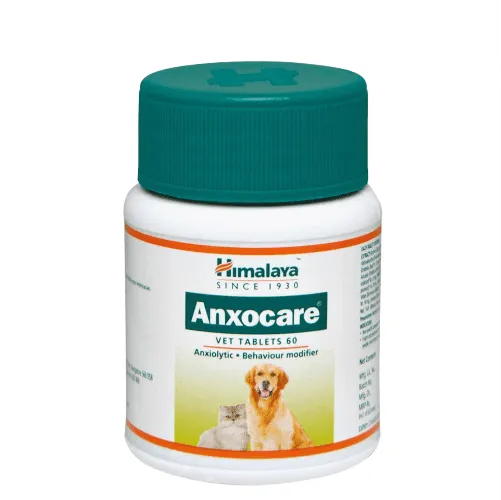
| Stress or anxiety | Changes in routine, travel, or stressful situations may temporarily increase shedding. |
| Skin allergies or parasites | Fleas, ticks, mites, and allergies can irritate the skin, leading to hair loss. |
| Medical conditions | Hormonal disorders, infections, or other health issues may cause abnormal shedding and should be evaluated by a veterinarian. |
10 Proven Ways to Reduce Dog Shedding

Although you can't completely stop a dog from shedding, you can significantly reduce loose hair with a consistent grooming routine and proper coat care. These practical tips help keep your dog's coat healthier while reducing the amount of fur around your home.
1. Brush Your Dog Regularly
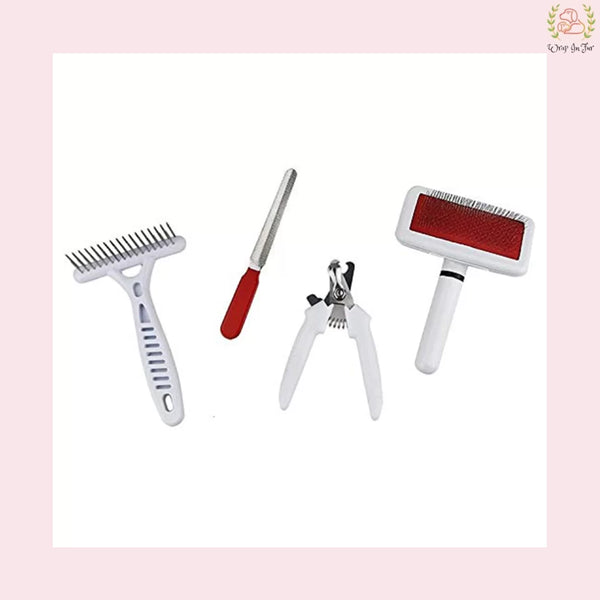
Regular brushing is one of the most effective ways to control shedding because it removes loose hair before it ends up on your furniture and clothes. Long-haired and double-coated breeds usually need brushing several times a week, while short-haired breeds may require less frequent grooming. Using the right brush for your dog's coat type also makes a noticeable difference.
2. Feed a High-Quality, Balanced Diet
Healthy skin grows a healthy coat. A complete diet rich in quality protein, essential vitamins, and omega-3 and omega-6 fatty acids helps strengthen hair follicles and reduce unnecessary shedding over time. Sudden diet changes or poor-quality food can often affect coat health.
3. Bathe Your Dog the Right Way
Bathing helps remove loose fur, dirt, and excess oils from the coat. However, bathing too frequently can dry out the skin and actually increase shedding. Use a dog-friendly shampoo and follow a bathing schedule that's suitable for your dog's coat type and lifestyle.
4. Keep Your Dog Well Hydrated
Hydration plays an important role in maintaining healthy skin. Dogs that don't drink enough water may develop dry skin, which can contribute to increased shedding. Make sure fresh, clean water is always available, especially during hot weather.
5. Brush More During Seasonal Shedding
Many dogs naturally shed heavier coats during spring and autumn. Increasing your brushing routine during these periods helps remove the undercoat faster, reduces loose fur indoors, and keeps your dog's coat comfortable.
6. Wash Your Dog's Bedding Regularly
Loose fur doesn't just collect on your floors—it also builds up on your dog's bed, blankets, and favourite resting spots. Washing bedding every 1–2 weeks removes trapped hair, dirt, and allergens that can stick back to your dog's coat. A clean sleeping area also supports better skin hygiene.
7. Keep Your Home Free of Loose Fur
No matter how well you groom your dog, some shedding is unavoidable. Vacuum carpets, sofas, and pet areas regularly to remove loose hair before it spreads around your home. Using lint rollers or washable furniture covers can also make everyday cleaning much easier, especially during seasonal shedding.
8. Protect Your Dog From Fleas & Skin Allergies
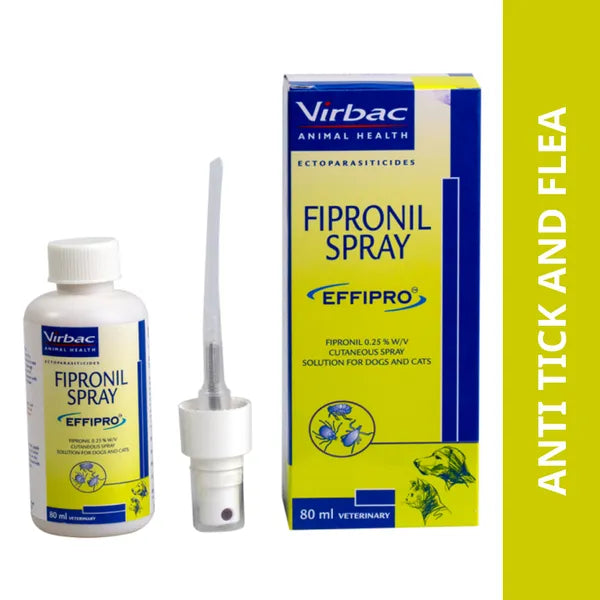
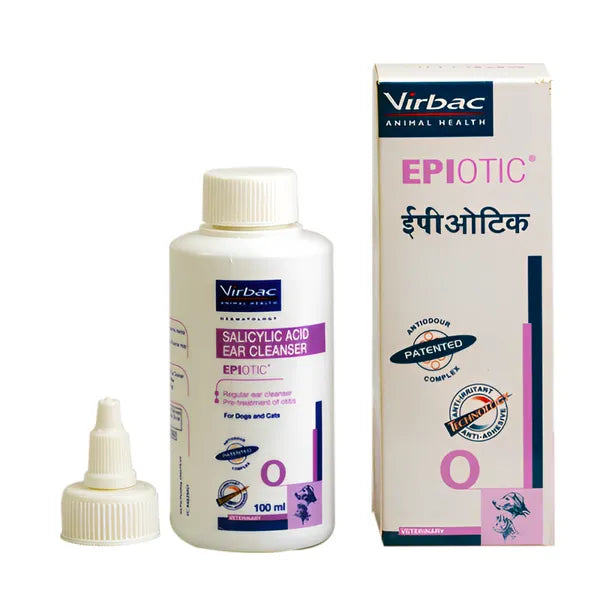
Fleas, ticks, mites, and skin allergies can cause constant scratching, irritated skin, and excessive hair loss. Regular parasite prevention and routine skin checks help keep your dog's coat healthy. If you notice redness, scabs, dandruff, or persistent itching, consult your veterinarian to identify the underlying cause.
9. Choose Comfortable, Breathable Dog Clothes
Dog clothes won't stop shedding, but they can help reduce loose hair from spreading onto furniture, car seats, and your own clothes, especially during travel or outings. Choose lightweight, breathable fabrics that fit comfortably without restricting movement or irritating your dog's skin. Avoid tight or poorly fitted clothing, as it may cause friction and discomfort.
10. Visit Your Veterinarian if Shedding Suddenly Increases
If your dog starts shedding far more than usual despite regular grooming and a healthy diet, it's important to rule out medical conditions. Excessive shedding combined with symptoms like bald patches, inflamed skin, a dull coat, or changes in appetite may indicate allergies, hormonal disorders, infections, or other health issues that require professional treatment.
Dog Breeds That Shed the Most

While every dog sheds, some breeds naturally lose much more hair because of their thick or double coats. Understanding your dog's coat type helps you set realistic expectations and choose the right grooming routine.
| Breed | Shedding Level |
|---|---|
| Labrador Retriever | High |
| Golden Retriever | High |
| German Shepherd | High |
| Siberian Husky | Very High |
| Alaskan Malamute | Very High |
| Beagle | Moderate to High |
| Pug | Moderate |
| Corgi | High |
| Shiba Inu | High |
| Border Collie | High |
Tip :- Dogs with double coats usually experience heavier shedding during spring and autumn, when they naturally replace their undercoat.
When Should You Be Concerned About Dog Shedding?

Normal shedding is part of a healthy coat cycle, but excessive hair loss can sometimes indicate a medical problem. Contact your veterinarian if you notice:
- Sudden or unusually heavy shedding
- Bald patches or thinning areas
- Constant scratching or biting at the skin
- Red, flaky, or irritated skin
- Hair loss around the ears, eyes, or tail
- An unpleasant skin odour or signs of infection
- Changes in appetite, energy levels, or behaviour along with excessive shedding
Early diagnosis can help prevent minor skin problems from becoming more serious and keep your dog's coat healthy.
Conclusion
Finding dog hair around your home is a normal part of living with a dog, but excessive shedding can often be managed with the right care. Regular brushing, a nutritious diet, proper bathing, and consistent grooming all play an important role in maintaining a healthy coat and reducing loose fur.
While no solution can completely stop shedding, following these simple habits can make a noticeable difference for both your dog and your home. If your dog suddenly starts shedding excessively or develops skin problems, don't ignore the signs—consult your veterinarian to rule out any underlying health issues.
For everyday comfort and to help keep loose fur off your clothes, furniture, and car seats, explore Wrapinfur's collection of comfortable, breathable dog clothing designed for every season.
Read More
- 10 Benefits of Using a Dog Harness
- Best Homemade Dog Food Recipes in India for Puppies
- Why Is My Dog So Itchy
- Why Is My Dog Panting
FAQ - Dog Hair Everywhere
Q1. Is it normal for dogs to shed every day?
Yes. Most dogs shed a small amount of hair every day as part of their natural hair growth cycle. The amount of shedding varies depending on the breed, coat type, season, and overall health.
Q2. Why is my dog shedding so much all of a sudden?
Sudden excessive shedding may be caused by seasonal coat changes, stress, poor nutrition, allergies, parasites, or an underlying medical condition. If the shedding is accompanied by bald patches, redness, or constant scratching, it's best to consult your veterinarian.
Q3. Which season do dogs shed the most?
Many dogs, especially double-coated breeds, shed more during spring and autumn as they adjust their coats to changing temperatures. This seasonal shedding is completely normal.
Q4. Does brushing reduce dog shedding?
Yes. Regular brushing removes loose hair before it falls around your home and helps distribute natural skin oils throughout the coat. While brushing won't stop shedding, it can significantly reduce the amount of loose fur.
Q5. Can food help reduce dog shedding?
A balanced diet rich in quality protein, healthy fats, vitamins, and minerals supports healthy skin and a strong coat. Dogs with nutritional deficiencies may experience increased shedding or a dull-looking coat.
Q6. Do dog clothes reduce shedding?
Dog clothes don't stop shedding, but they can help reduce loose hair from transferring onto furniture, car seats, and your clothing during daily activities or travel. Choose lightweight, breathable clothing that fits comfortably without irritating your dog's skin.
Q7. Should I shave my dog to reduce shedding?
No. Shaving is generally not recommended, especially for double-coated breeds. Their coat helps regulate body temperature and protects the skin from the sun. Regular brushing is a much safer and more effective way to manage shedding.

